


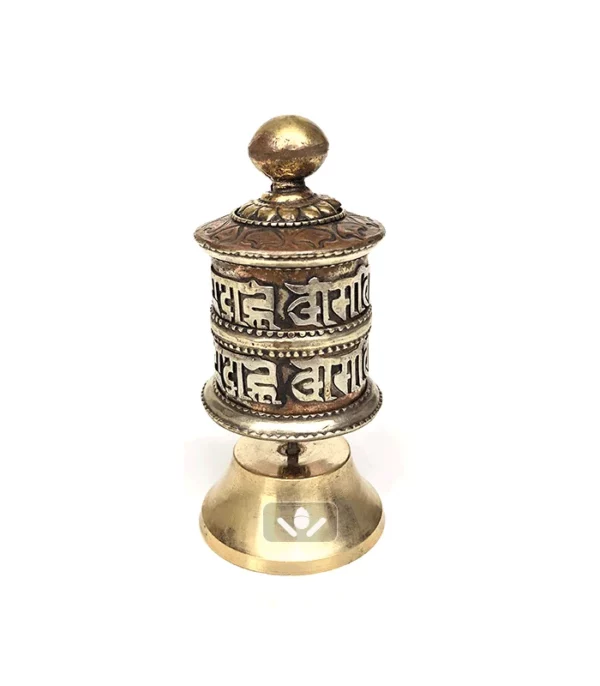
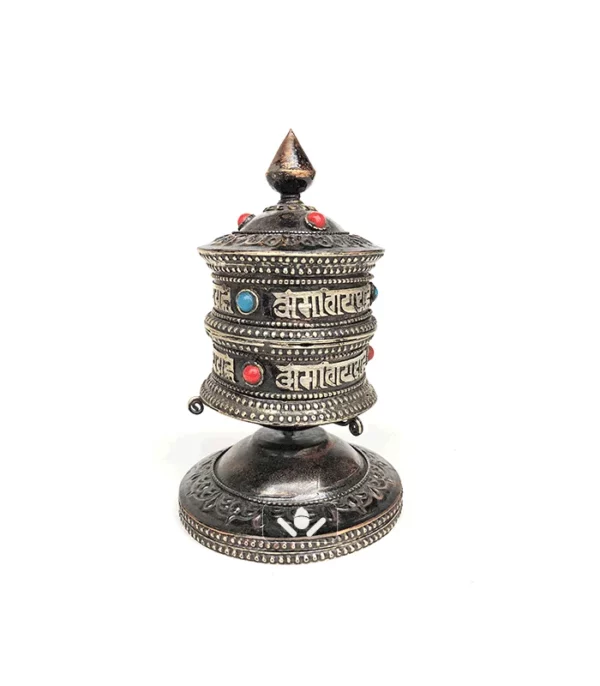
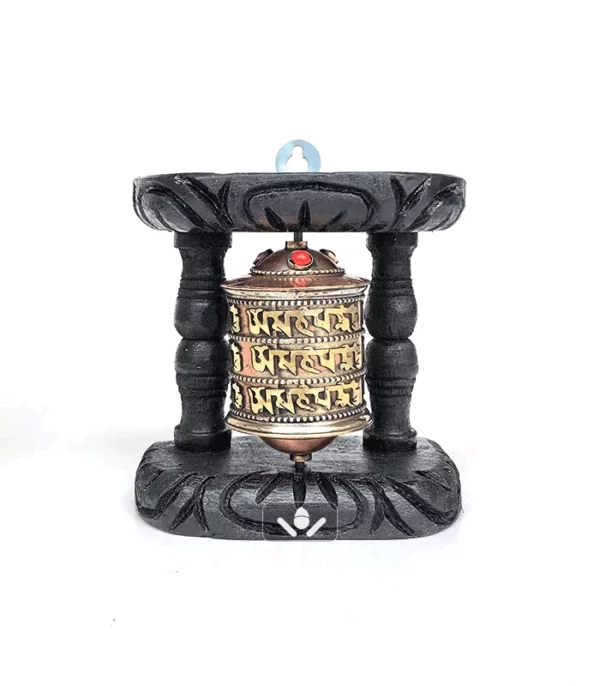
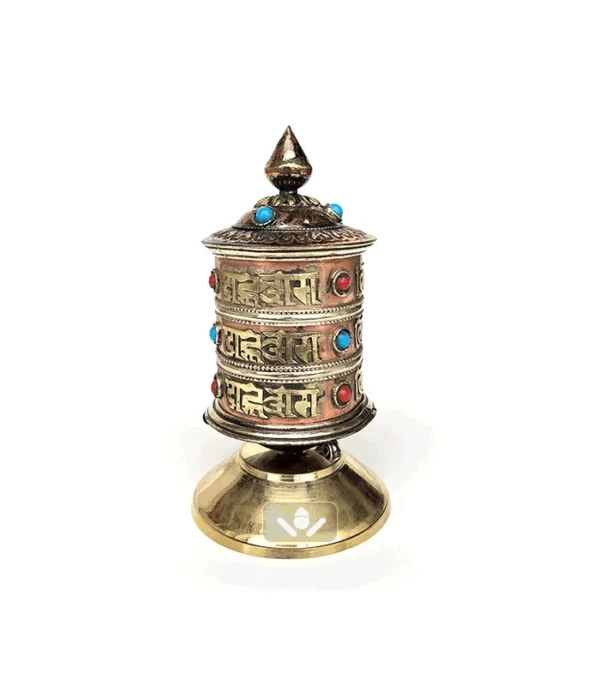
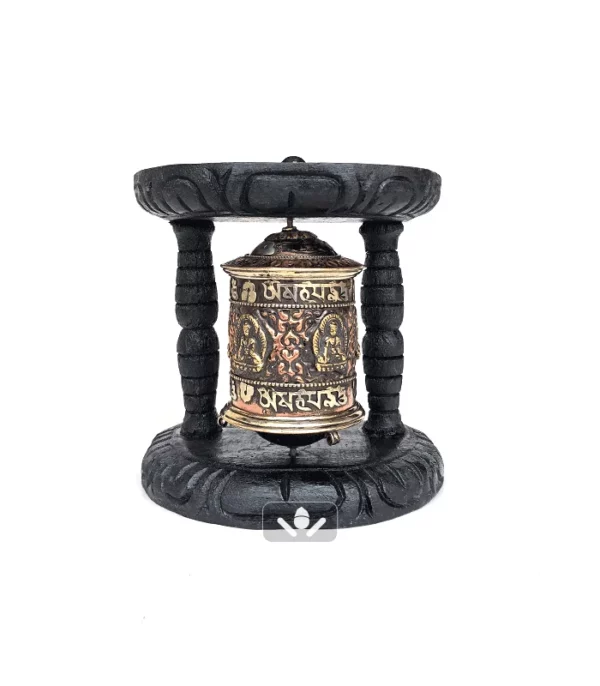
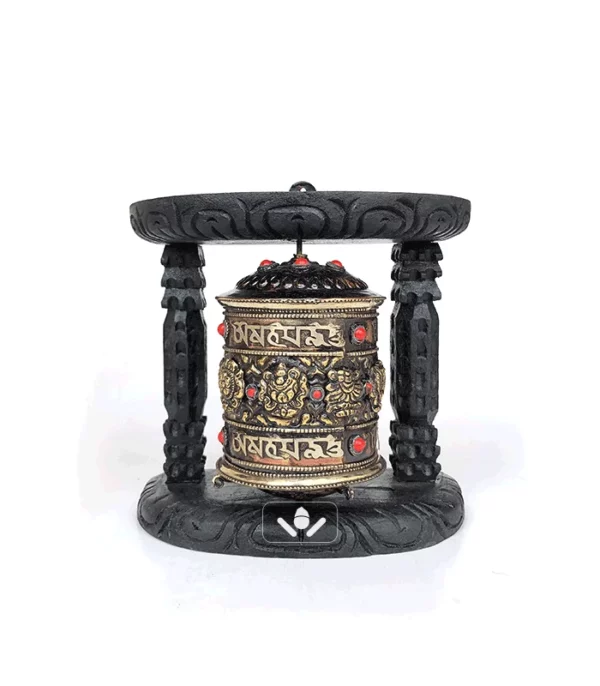
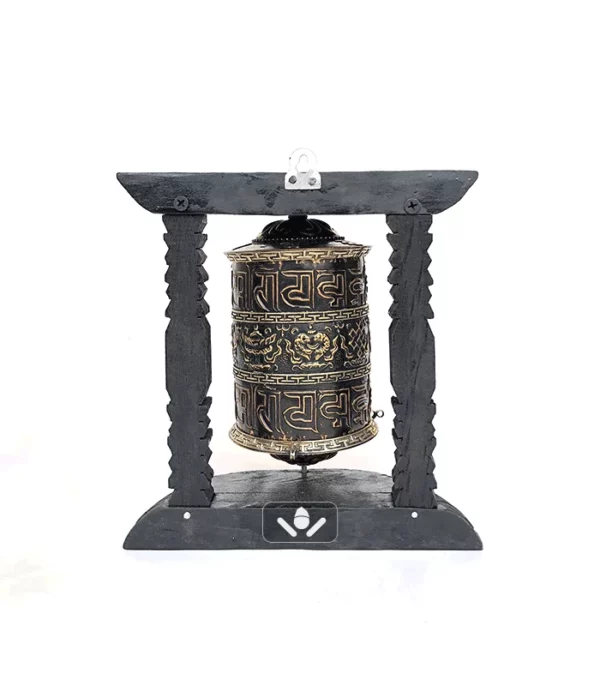
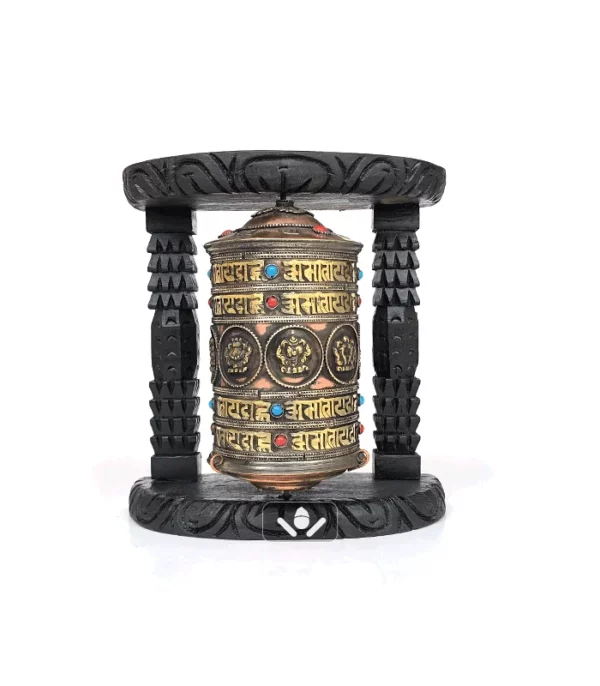
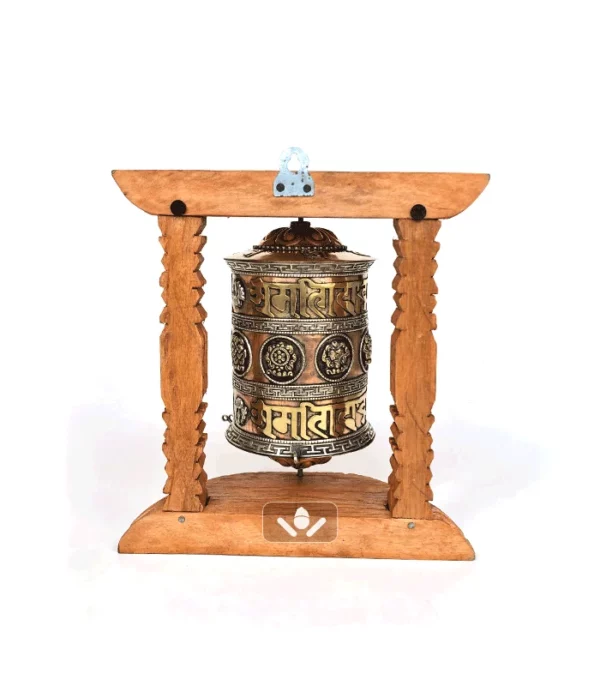
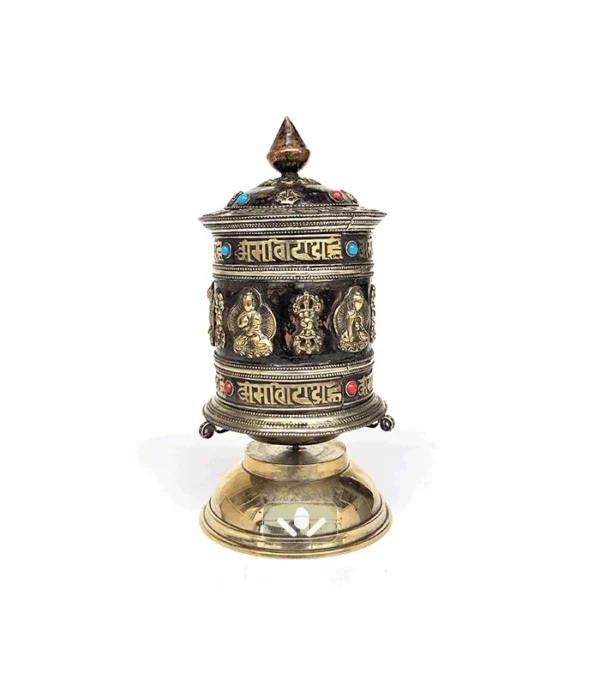
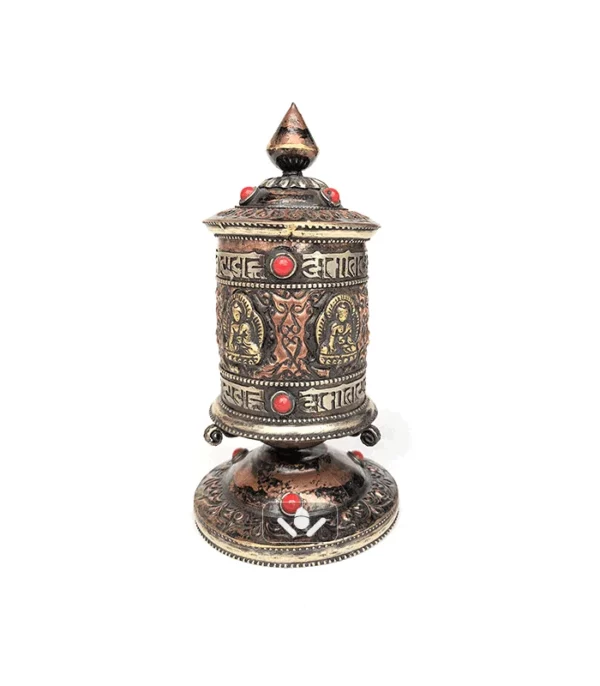
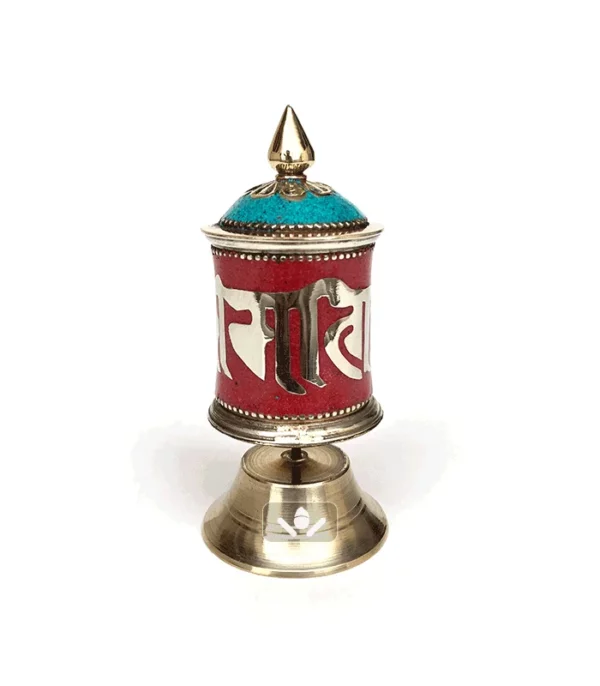
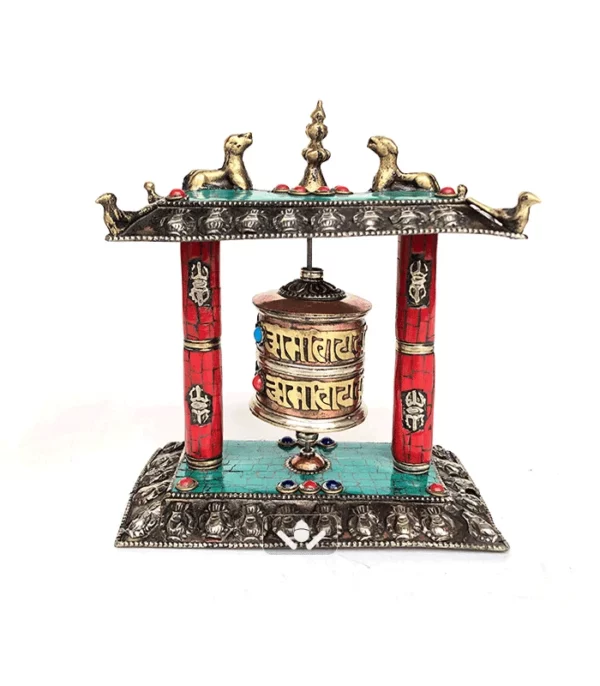
If you've been looking to buy a genuine prayer wheel, you're in the right place. At Swodeshi, every prayer wheel in our collection is handcrafted by skilled Nepali artisans who carry this tradition forward with real care and devotion.
Whether you want one for daily meditation, your home altar, or as a meaningful gift, you'll find exactly what you need here.
What Is a Prayer Wheel?
A prayer wheel, traditionally called a Mani wheel or mantra wheel, is a sacred cylindrical tool used in Tibetan Buddhism. Inside each wheel sits a tightly rolled scroll filled with sacred mantras, most commonly Om Mani Padme Hum. When you spin the wheel clockwise, it's believed to release those prayers into the world, spreading compassion, positive energy, and blessings to everyone around you.
Think of it this way: one spin of a Tibetan prayer wheel is said to carry the same spiritual merit as chanting that mantra thousands of times. That's why Buddhist practitioners, monks, pilgrims, and everyday people have been using them for centuries.
A Buddhist prayer wheel isn't just a spiritual object. It's a daily reminder to slow down, be present, and send good into the world.
The Meaning and Tradition Behind Prayer Wheels
Prayer wheels have been part of Himalayan and Tibetan Buddhist culture for hundreds of years. They represent the turning of the Wheel of Dharma the spread of the Buddha's teachings throughout the world.
Traditionally, a Tibetan mani wheel is spun clockwise, following the direction of the sun and the way the sacred mantras are written inside. You'll find prayer wheels everywhere in Nepal and Tibet in monasteries, around stupas, along pilgrimage paths, and in family homes.
Nepal has long been one of the most important places in the world for making authentic Tibetan prayer wheels. Local artisans combine metalwork, hand engraving, and sacred Buddhist symbolism to create pieces that are both spiritually meaningful and beautifully made.
At Swodeshi, we work directly with these artisans so that every wheel you receive is the real thing not a mass-produced imitation.
Types of Prayer Wheels Available at Swodeshi
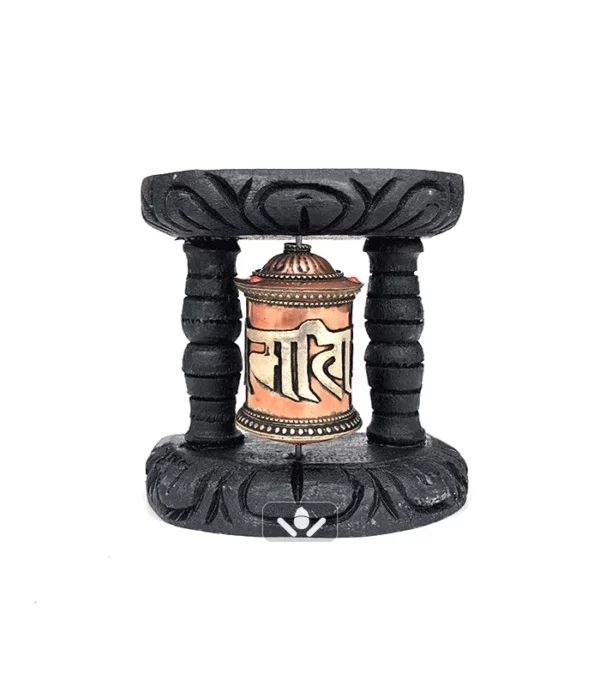
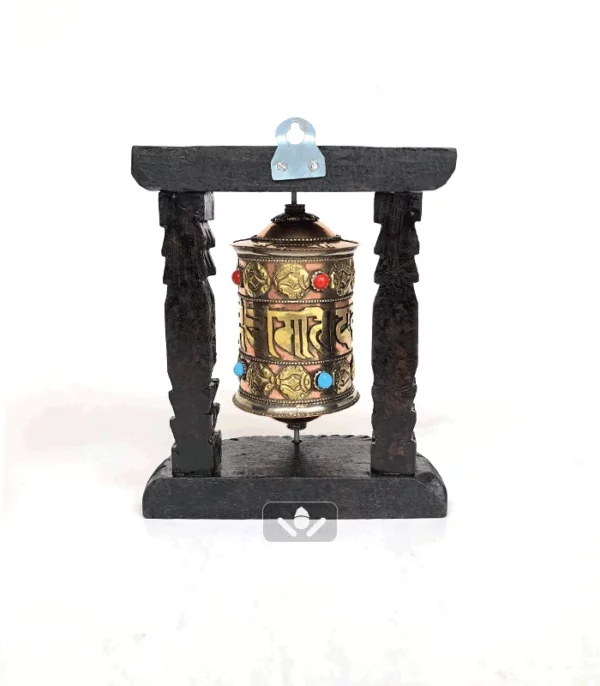
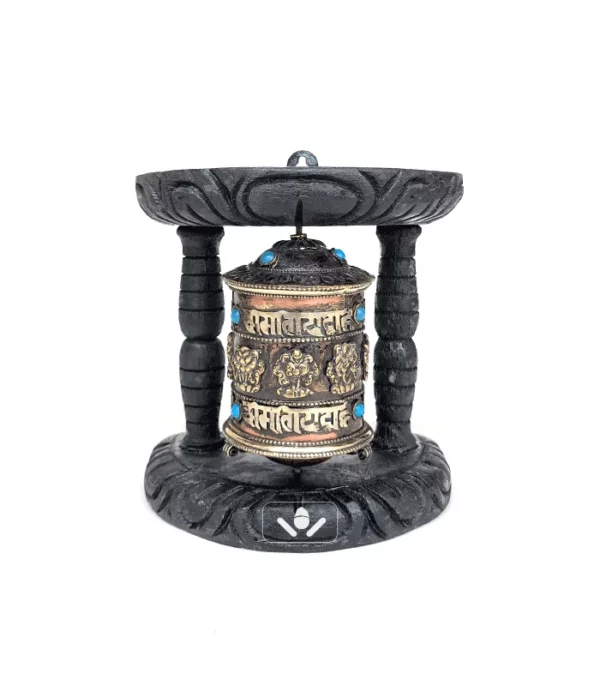
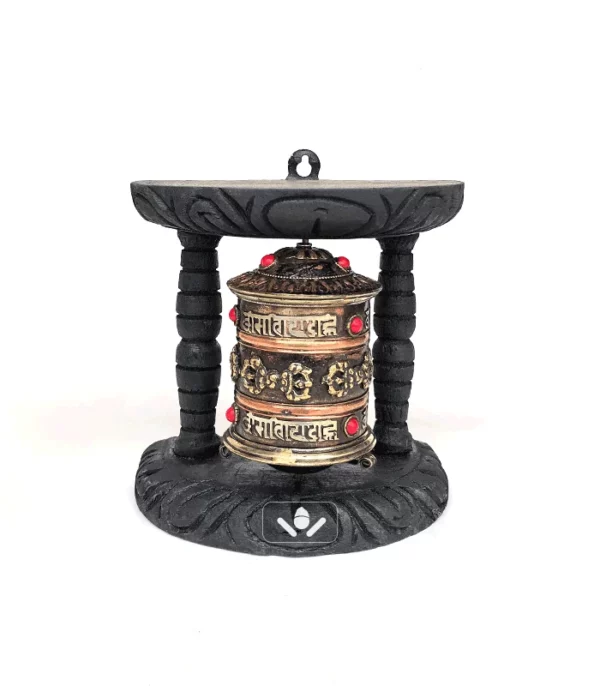
At Swodeshi, we offer a wide range of authentic prayer wheels from Nepal. Our collection includes handheld, tabletop, wall-mounted, and standing prayer wheels for meditation, home decor, or spiritual practice.
Handheld Prayer Wheels
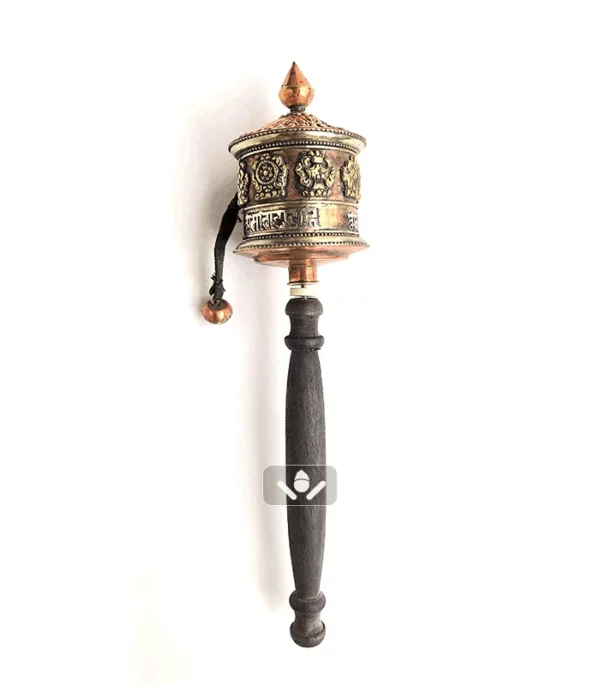
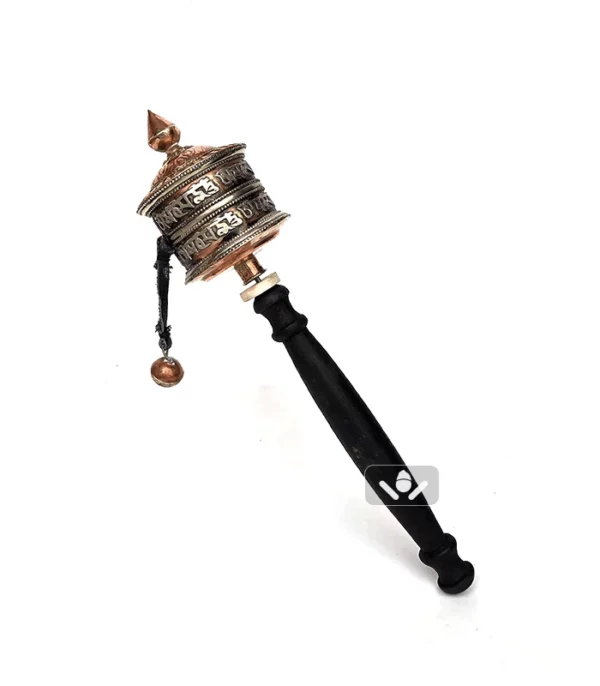
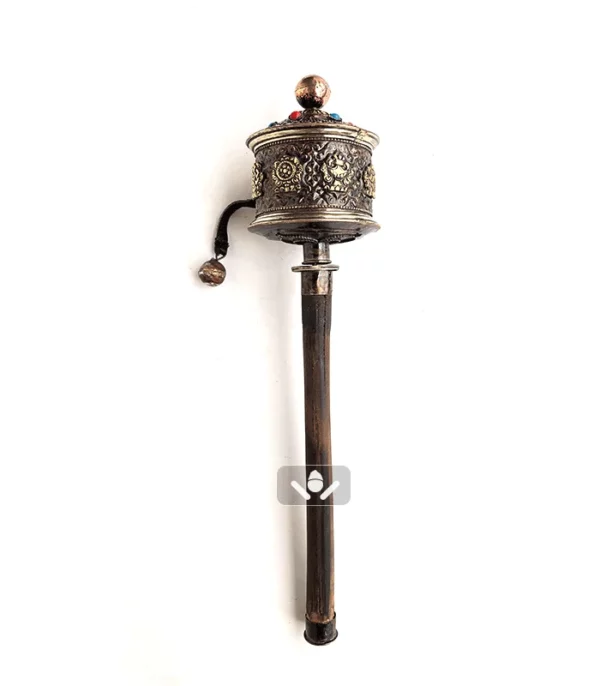
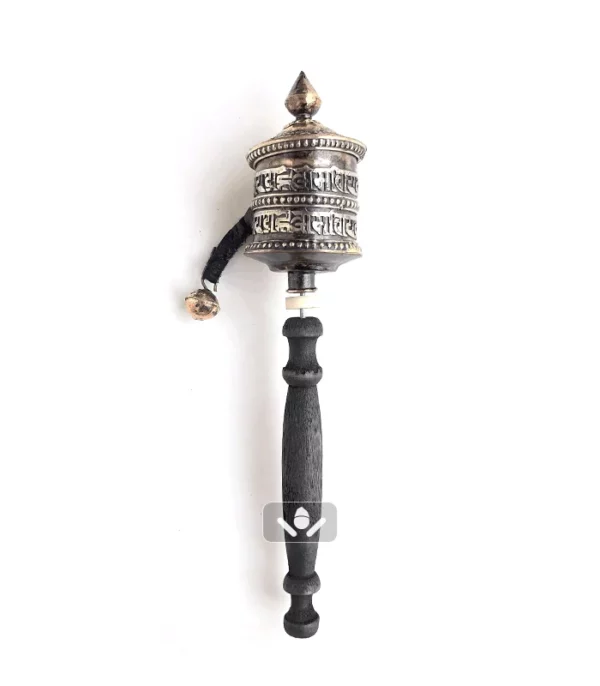
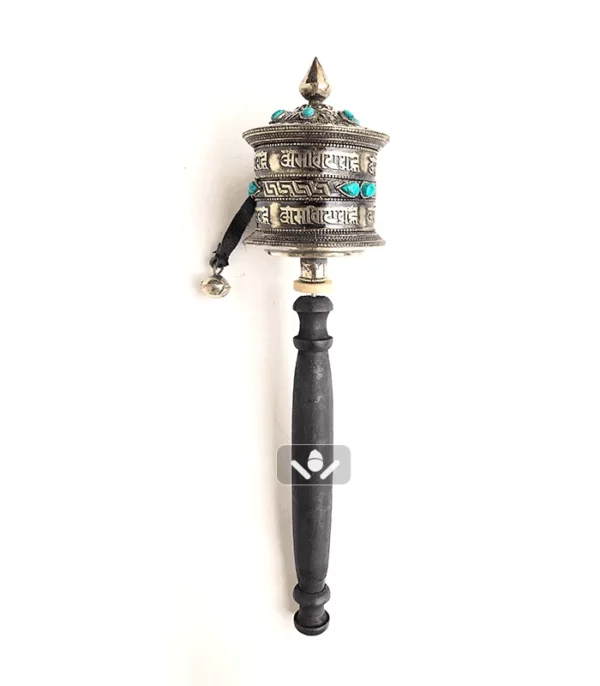
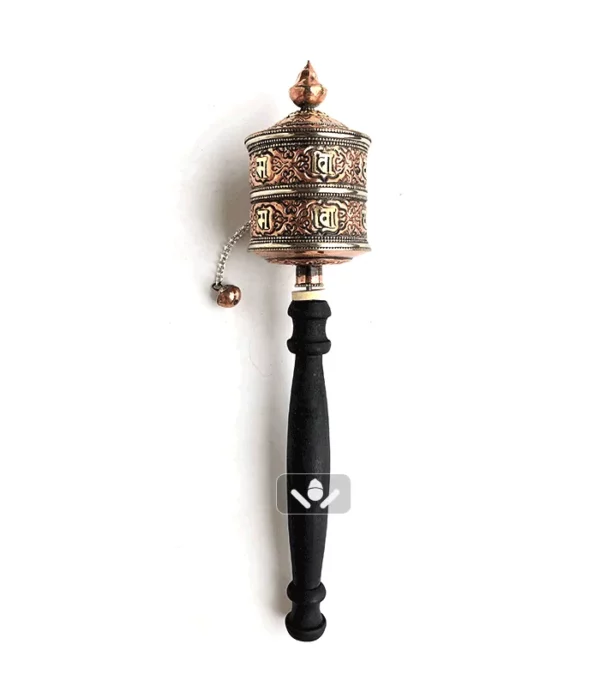
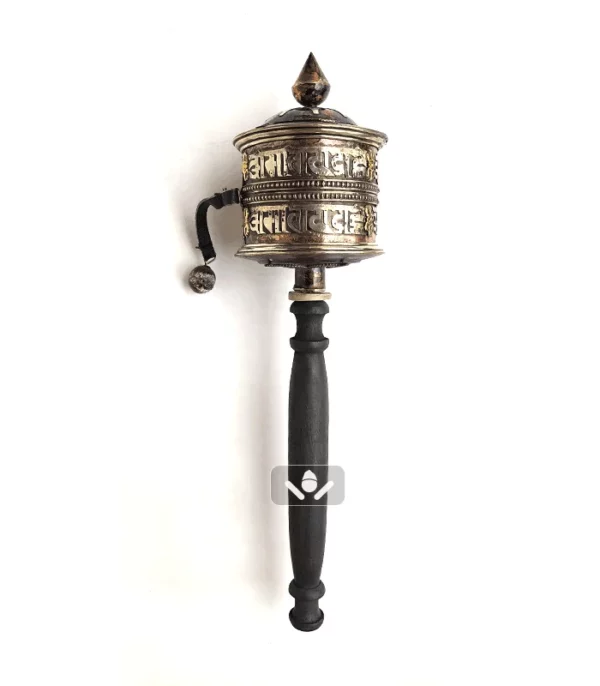
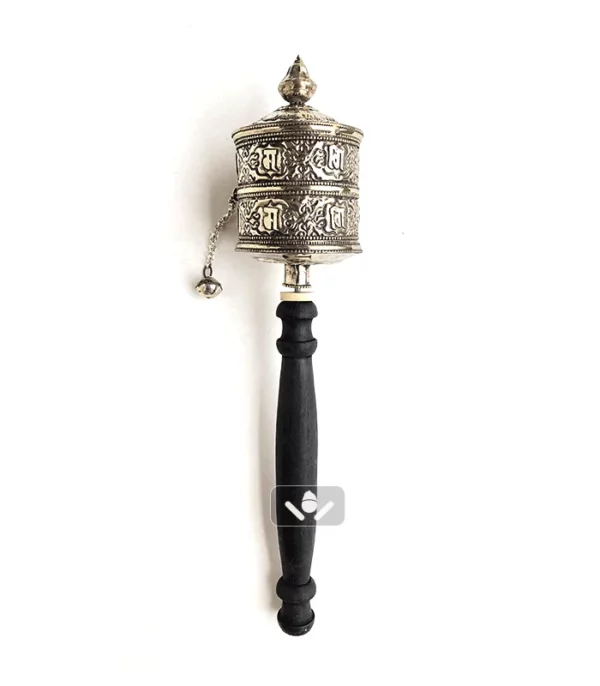
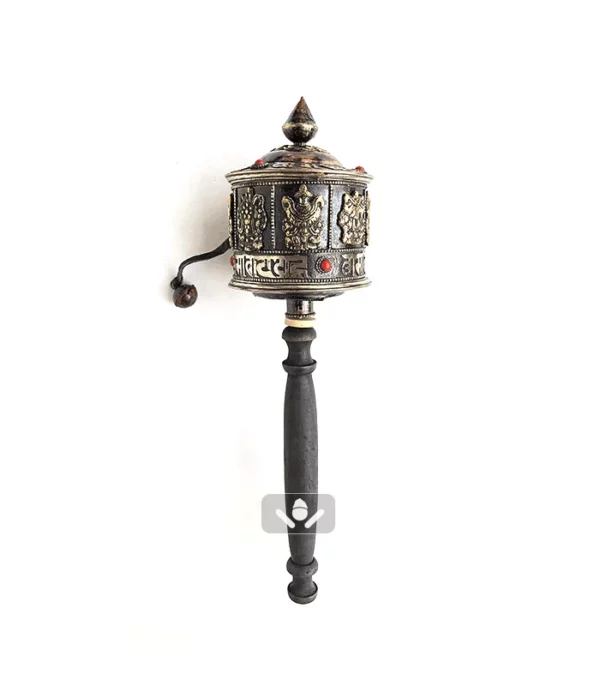
A handheld prayer wheel, also called a hand mani wheel, is the most personal and portable type. You hold it in one hand and spin it gently while you walk, meditate, or chant. It's a wonderful daily companion for anyone who wants to bring a moment of spiritual focus into their routine.
Available options include:
-
11.8″ Hand Prayer Wheel – NPR 1,530
-
11″ Hand Prayer Wheel – NPR 1,305
-
13.8″ Hand Prayer Wheel Astamangal – NPR 2,070
-
2 Lines Hand Prayer Wheel – NPR 765
-
2 Lines Hand Prayer Wheel 35 cm – NPR 2,565
-
2 Lines Hand Prayer Wheel Copper – NPR 2,790
-
2 Lines Hand Prayer Wheel Regular – NPR 2,520
-
2 Lines Hand Prayer Wheel Silver – NPR 2,790
-
Astamangal Hand Prayer Wheel with Wood – NPR 3,825
These wheels are lightweight, beautifully engraved, and easy to carry during prayer or meditation.
Standing Prayer Wheels (Tabletop / Altar)
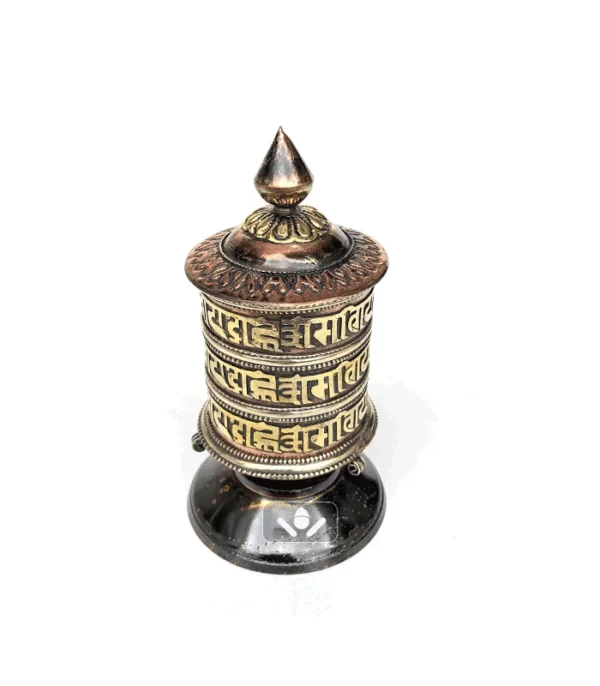
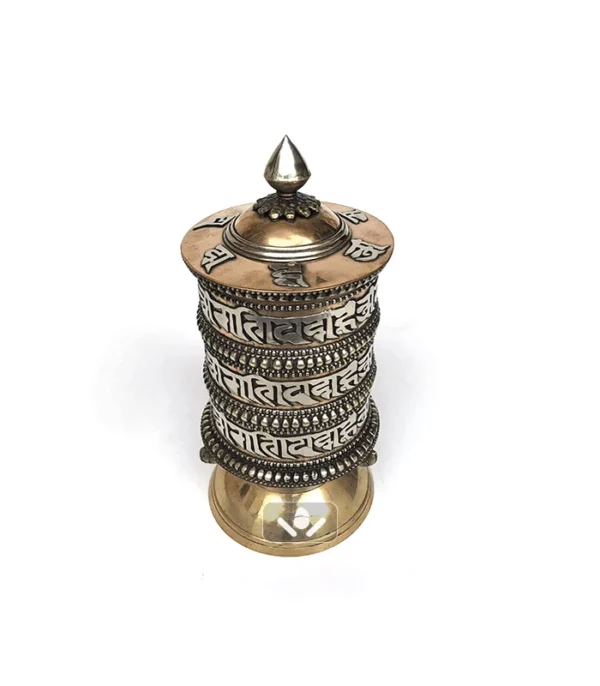
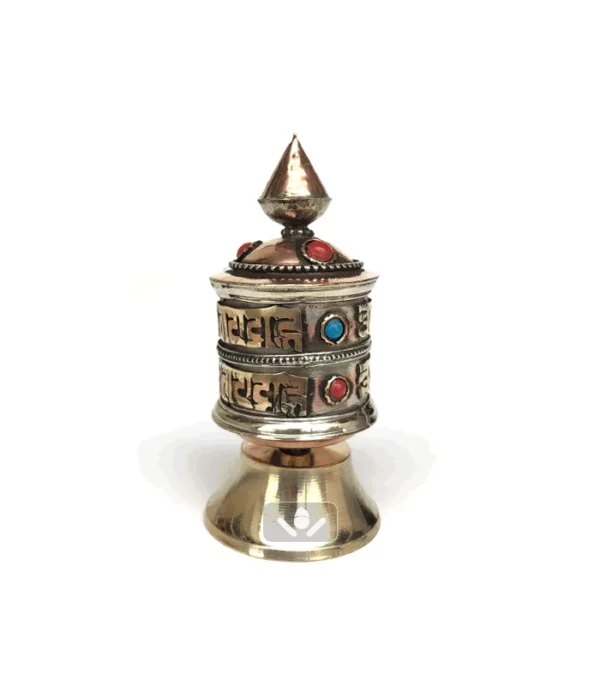
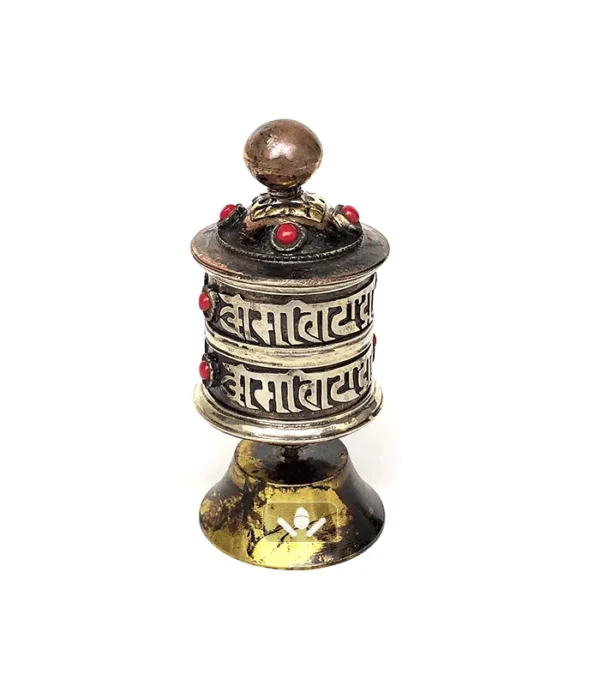
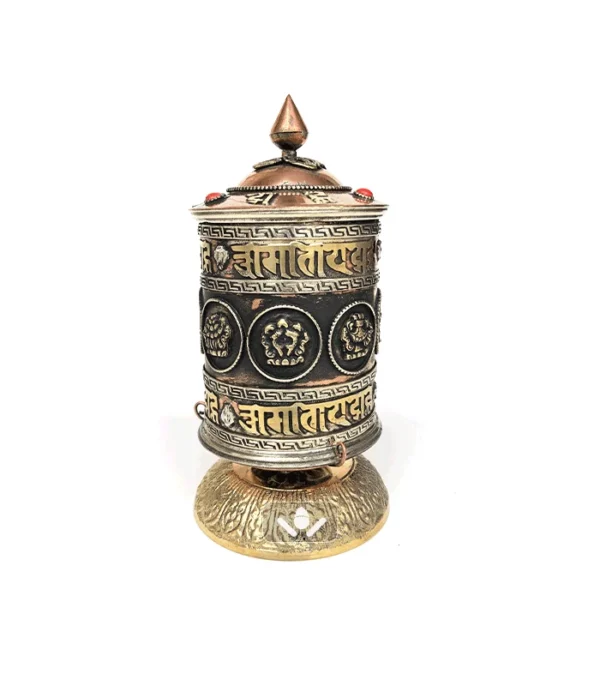
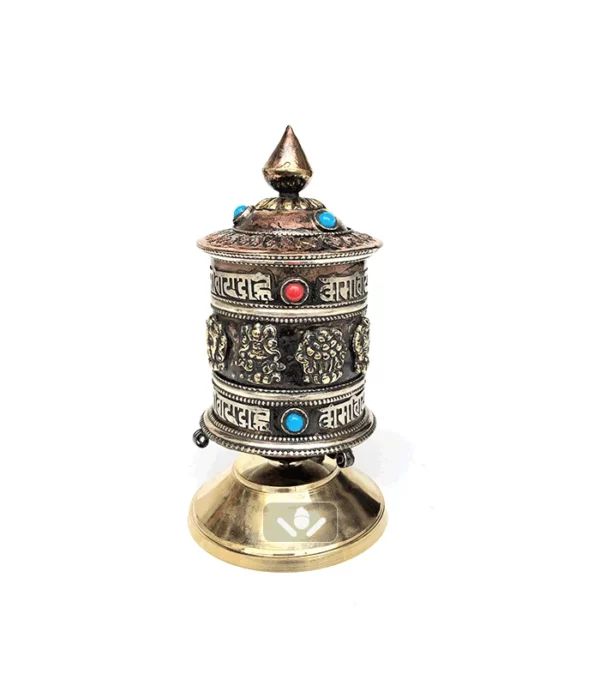
Standing prayer wheels are ideal for home altars, meditation rooms, or temples.
Popular designs include:
-
2 Lines Stand Prayer Wheel Round Top – NPR 684
-
2 Lines Standing Prayer Wheel SIKU – NPR 2,250
-
3 Lines Stand Prayer Wheel with Stones – NPR 2,070
-
3 Lines Stand Prayer Wheel Without Stones – NPR 2,070
-
3 Lines Standing Prayer Wheel – NPR 7,650
-
3.7″ Prayer Wheel Stand – NPR 594
-
3.7″ Prayer Wheel with Stone – NPR 720
-
Astamangal Standing Prayer Wheel – NPR 4,320
-
Astamangal Standing Prayer Wheel SIKU – NPR 2,250
-
Buddha Standing Prayer Wheel – NPR 2,295
-
Buddha and Bajra Standing Prayer Wheel – NPR 6,480
-
Two Pillar Setting Standing Prayer Wheel – NPR 4,140
-
Setting Stand Prayer Wheel – NPR 1,152
These pieces combine spiritual symbolism with beautiful craftsmanship.
Wall and Decorative Prayer Wheels
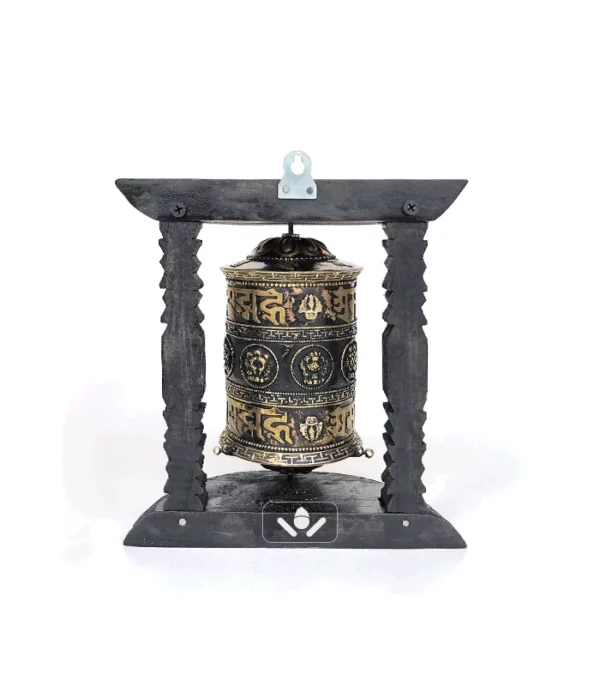
These prayer wheels are designed for wall display, spiritual spaces, or sacred decor.
Options available at Swodeshi include:
-
3 Line Words Prayer Wheel – NPR 900
-
3.5″ Prayer Wheel Buddha Words – NPR 540
-
4.3″ Prayer Wheel Wall/Table – NPR 846
-
5.1″ Bajra Prayer Wheel – NPR 1,800
-
5.5″ Astamangal Prayer Wheel – NPR 2,070
-
5.5″ Bajra Prayer Wheel – NPR 2,070
-
5.5″ Buddha Prayer Wheel with Carving – NPR 2,295
-
7.1″ Astamangal Prayer Wheel – NPR 4,050
-
7.9″ Antique Prayer Wheel – NPR 3,060
-
7.9″ Astamangal Prayer Wheel – NPR 4,320
-
Astamangal Wall Prayer Wheel Antique – NPR 3,600
-
Astamangal Wall Prayer Wheel Regular – NPR 3,600
These prayer wheels combine spiritual meaning with traditional Himalayan art.
Why Buy Prayer Wheels from Swodeshi?
When you purchase from Swodeshi, you support local artisans and preserve Nepal’s cultural heritage.
What makes our prayer wheels special:
-
Authentic handmade prayer wheels from Nepal
-
Crafted by skilled Nepali artisans
-
Traditional Buddhist designs like Astamangal, Bajra, and Buddha symbols
-
Ethically sourced and eco-friendly materials
-
Perfect for meditation, gifts, spiritual decor, and Buddhist practice
Each product reflects the devotion and craftsmanship of Himalayan culture.
Nepal’s Sacred Tradition of Tibetan Spiritual Crafts
Nepal has been a spiritual crossroads for centuries. The country is famous for producing traditional Buddhist items such as:
-
Prayer wheels
-
Prayer flags
-
Singing bowls
-
Thangka paintings
-
Vajra and ritual objects
Many artisans learn these skills through generations of family tradition, making every item unique.
Bring Peace and Positive Energy into Your Life
A prayer wheel is more than a spiritual tool. It represents peace, compassion, and mindfulness. Whether you spin it during meditation or display it on your altar, it helps create a calm and sacred environment.
Explore the complete prayer wheel collection at Swodeshi and bring home a meaningful piece of Nepal’s Buddhist heritage.
Shop authentic prayer wheels today and experience the spiritual beauty of handmade Himalayan craftsmanship.
