


Blogs
Singing Bowl for Meditation


Singing Bowl for Meditation: A Harmonious Journey to Inner Peace
Introduction: Singing Bowl for Meditation
Singing Bowl for Meditation: In the quest for inner peace and spiritual harmony, ancient practices often provide profound insights and tools. Among these, the singing bowl stands out as a potent instrument for meditation. Originating from the Himalayan region, this centuries-old tradition has transcended cultural boundaries to become a global symbol of serenity and mindfulness. This comprehensive guide explores the origins, significance, benefits, and techniques of using a singing bowl for meditation.

Singing Bowl for Meditation
Origins and Cultural Significance
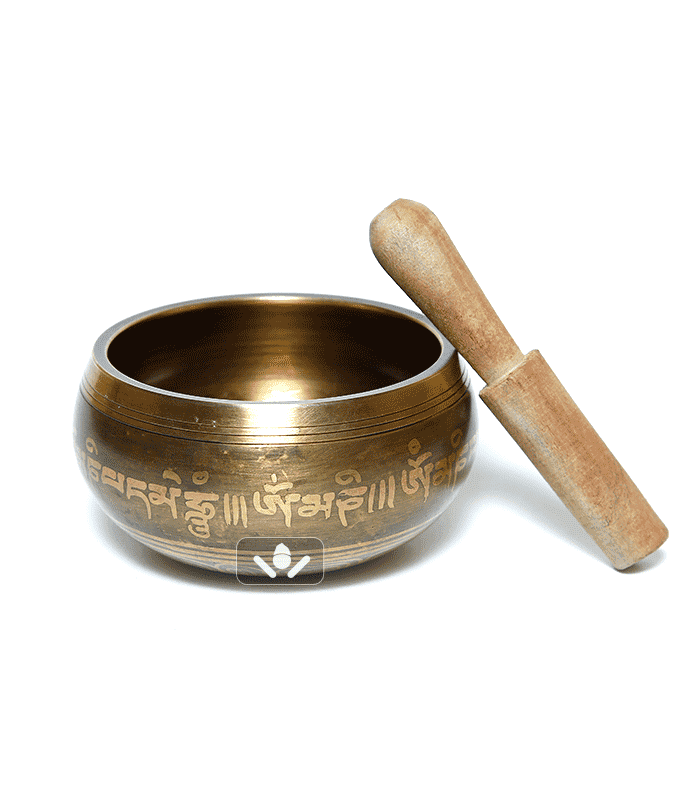
The singing bowl traces its roots to the Tibetan and Nepalese cultures, where it has been used for meditation, healing rituals, and ceremonial practices for centuries. Crafted from various metals, such as copper, tin, and zinc, these bowls produce a resonant sound when struck or rubbed with a mallet. The sound is believed to invoke a state of deep relaxation and inner peace, facilitating meditation and spiritual growth.
How Singing Bowls Work
The unique sound of a singing bowl is generated through a process called resonance. When the bowl is struck or rubbed with a mallet, vibrations are produced which create a rich, complex tone. This tone resonates with the frequencies of the body and mind, harmonizing the energy centers (chakras) and inducing a state of deep meditation. The sound waves emitted by the bowl have a calming effect on the nervous system, reducing stress and promoting a sense of well-being.
Benefits of Using a Singing Bowl for Meditation
- Stress Reduction: The soothing tones of the singing bowl help to lower stress levels by calming the mind and relaxing the body.
- Promotion of Mindfulness: Practitioners often use the singing bowl as a focal point during meditation, enhancing mindfulness and concentration.
- Balancing Chakras: Each note of the singing bowl corresponds to a specific chakra in the body. Regular use can help balance and align these energy centers.
- Enhanced Meditation Experience: The sound vibrations deepen meditation practices, leading to profound spiritual experiences and insights.
- Healing Benefits: Some believe that the vibrations produced by singing bowls can promote physical and emotional healing by restoring harmony to the body’s energy flow.
Singing Bowl for Meditation
Techniques for Using a Singing Bowl
To maximize the benefits of a singing bowl for meditation, follow these techniques:
- Choosing Your Bowl: Select a bowl that resonates with you. Each bowl produces a unique sound, so find one that you find calming and harmonious.
- Setting the Scene: Find a quiet and comfortable space for meditation. Place the singing bowl on a flat surface in front of you.
- Striking the Bowl: Gently strike the bowl with a mallet to produce a clear tone. Alternatively, rub the rim of the bowl in a circular motion with the mallet to create a continuous sound.
- Listening Mindfully: Close your eyes and focus on the sound emanating from the bowl. Let the vibrations wash over you, paying attention to how your body and mind respond.
- Deepening Meditation: Use the sound of the bowl as a focal point for your meditation practice. Allow it to guide you into deeper states of relaxation and awareness.
- Ending the Session: When you are ready to conclude your meditation, gently strike the bowl again to signal the end of the session. Take a moment to reflect on your experience before returning to your day.
The Science of Sound Healing
Sound healing, rooted in the principles of physics and physiology, explores how vibrations and frequencies impact our physical and emotional states. Singing bowls, with their harmonic tones produced through resonance, create a soothing effect that can alleviate stress, reduce anxiety, and promote overall well-being. When a singing bowl is struck or rubbed, it emits sound waves that travel through the air and resonate with the body’s cells, tissues, and energy centers. This process helps to balance the nervous system, lower blood pressure, and induce a state of deep relaxation conducive to meditation.
Research in sound therapy indicates that specific frequencies can influence brainwave activity, guiding the mind into states of heightened awareness or profound relaxation. The sound of a singing bowl not only aids in meditation but also enhances concentration and clarity of mind. As practitioners listen to the sustained tones of the bowl, they may experience a sense of inner peace and connectedness, facilitating spiritual growth and emotional healing.
Choosing the Right Singing Bowl
Selecting a singing bowl is a deeply personal process influenced by sound preferences, size considerations, and the intended use for meditation. Traditionally crafted from a blend of metals like copper, tin, and zinc, each singing bowl produces a unique sound quality. Larger bowls typically have deeper tones, while smaller bowls produce higher-pitched sounds. It’s essential to listen to and feel the vibrations of the bowl to determine if it resonates harmoniously with your energy and meditation goals.
Consider the thickness and shape of the bowl’s walls, as these factors affect the clarity and duration of the sound. Some bowls may have decorative engravings or symbols, adding to their aesthetic appeal and cultural significance. Whether purchasing online or from a specialty store, explore different options and test each bowl’s sound quality before making a decision. A singing bowl that resonates with you personally will enhance your meditation practice, promoting a sense of tranquility and focus.
Techniques and Practices
Playing a singing bowl involves several techniques that influence the quality and duration of its sound. The most common methods include striking and rubbing the bowl with a mallet. When striking, use a padded mallet to gently tap the rim or base of the bowl, allowing the sound to resonate freely. For a continuous sound, rub the rim of the bowl in a circular motion with a wooden or leather-wrapped mallet.
Experiment with the pressure and speed of rubbing to vary the pitch and intensity of the sound produced. Some practitioners use different mallets or strikers to achieve specific tones or harmonics from the bowl. It’s essential to maintain a relaxed posture and focus on the sound vibrations while playing, allowing the soothing tones to guide you into a meditative state.
Advanced techniques include combining multiple bowls for harmonious compositions or using the bowl’s sound to cleanse and energize spaces and individuals. Regular practice and experimentation with different techniques will deepen your connection with the singing bowl and enhance its therapeutic benefits.
Chakra Alignment and Energy Healing
In holistic practices, singing bowls are believed to balance and align the body’s energy centers, known as chakras. Each chakra is associated with specific physical, emotional, and spiritual aspects of our being. The tones produced by singing bowls correspond to these chakras, influencing their vibrational frequencies and promoting healing.
During meditation, placing a singing bowl near or on the body’s corresponding chakra can facilitate energy flow and release blockages. For example, a bowl with a lower frequency may resonate with the root chakra (located at the base of the spine), promoting a sense of grounding and stability. Similarly, a higher-pitched bowl can stimulate the crown chakra (at the top of the head), fostering spiritual connection and enlightenment.
Practitioners often use chanting, visualization, or specific breathing techniques alongside singing bowls to enhance chakra alignment and energy healing. Over time, regular use of singing bowls can lead to a heightened awareness of energy flow within the body, promoting overall health and vitality.
Integration with Meditation
Integrating a singing bowl into meditation practices enhances mindfulness and deepens the meditative experience. Begin by selecting a quiet and comfortable space conducive to relaxation. Place the singing bowl in front of you on a flat surface, ensuring it is stable and secure.
Start your meditation session by striking the bowl gently with a mallet to initiate a clear, resonant tone. Alternatively, rub the rim of the bowl in a circular motion to produce a sustained sound that fills the space. As the sound resonates, focus your attention on its vibrations and allow them to guide your breath and thoughts.
Use the singing bowl as a focal point for concentration, returning to its sound whenever your mind begins to wander. The calming tones of the bowl can help reduce stress, promote relaxation, and deepen your connection with the present moment. After your meditation session, gently strike the bowl again to signal the end of practice and take a moment to reflect on your experience.
Cultural Traditions and Spiritual Significance
Singing bowls have deep-rooted cultural and spiritual significance, particularly in Tibetan and Nepalese traditions. Originally used by Buddhist monks for meditation and ceremonial rituals, these bowls symbolize harmony, enlightenment, and the interconnectedness of all beings.
Crafted with intricate designs and sacred symbols, singing bowls are considered sacred instruments that embody spiritual wisdom and divine resonance. The process of creating a singing bowl involves skilled craftsmanship and ancient techniques passed down through generations, imbuing each bowl with cultural heritage and reverence.
In spiritual practices, singing bowls are believed to invoke divine presence and facilitate spiritual awakening. Their resonant tones create a sacred space for meditation, prayer, and healing ceremonies, fostering a deeper connection with the universe and one’s inner self.
Advanced Applications and Therapeutic Benefits
Beyond basic meditation, singing bowls have advanced applications in sound therapy and holistic healing practices. Sound therapists and practitioners use singing bowls to treat various physical and psychological ailments, including chronic pain, anxiety disorders, and sleep disturbances.
During sound therapy sessions, multiple singing bowls of different sizes and frequencies are played to create a harmonious blend of sound vibrations. These vibrations penetrate deeply into the body’s tissues, promoting relaxation, reducing tension, and stimulating natural healing processes.
Singing bowls are also used in conjunction with other therapeutic modalities such as acupuncture, massage therapy, and meditation practices to enhance their efficacy. The therapeutic benefits of singing bowls extend beyond immediate relaxation to promote overall well-being and restore balance to the mind, body, and spirit.
In conclusion, singing bowls offer a holistic approach to meditation and healing, harnessing the power of sound vibrations to enhance spiritual awareness, promote relaxation, and support overall health. Integrating singing bowls into your meditation practice can deepen your connection with yourself and the universe, fostering a sense of inner peace and harmony.
Conclusion: Singing Bowl for Meditation
In conclusion, the singing bowl is not merely an instrument but a gateway to inner peace and spiritual awakening. Its melodious tones resonate with the essence of meditation, offering practitioners a powerful tool for achieving mindfulness, reducing stress, and promoting holistic well-being. Whether you are new to meditation or seeking to deepen your practice, incorporating a singing bowl can elevate your spiritual journey and harmonize your mind, body, and spirit.

Singing Bowl for Meditation
Embrace the timeless tradition of the singing bowl and embark on a harmonious journey to inner peace today.
Summary of above content on Singing Bowl for Meditation:-
- singing bowl for meditation originated in the Himalayan region, where they have been used for centuries.
- The sound vibrations produced by singing bowl for meditation help to induce a deep state of relaxation.
- When struck or rubbed with a mallet, singing bowl for meditation emit harmonious tones that resonate with the body and mind.
- Each singing bowl for meditation produces a unique sound, influenced by its size, shape, and metal composition.
- Practitioners often use singing bowl for meditation to enhance mindfulness and concentration.
- Singing bowl for meditation are believed to balance the chakras, or energy centers, in the body.
- Using a singing bowl for meditation can reduce stress and anxiety levels significantly.
- The soothing tones of a singing bowl for meditation promote a sense of calm and well-being.
- Beginners find singing bowl for meditation helpful in establishing a meditation routine.
- Advanced practitioners use singing bowl for meditation to deepen their spiritual experiences.
- Singing bowl for meditation are integral to sound therapy sessions aimed at healing and relaxation.
- Many people incorporate the use of singing bowl for meditation into their daily mindfulness practices.
- Singing bowl for meditation are available in various sizes and designs to suit individual preferences.
- The ritual of playing a singing bowl for meditation often begins and ends sessions, marking transitions in mindfulness practices.
- Research continues to explore the therapeutic benefits of singing bowl for meditation in promoting overall mental and physical well-being.
- Singing bowl for meditation are used in group settings to create a harmonious and peaceful atmosphere for collective mindfulness practices.
- The practice of using singing bowl for meditation is deeply rooted in ancient spiritual traditions, reflecting a connection to inner peace and spiritual enlightenment.
- Some practitioners believe that the vibrations produced by singing bowl for meditation can help to align and cleanse the aura, promoting spiritual clarity and emotional healing.
FAQ’s on Singing Bowl for Meditation:-
- What is a singing bowl?
- A singing bowl is a type of bell, typically made from a combination of metals like copper, tin, and zinc. It produces a resonant sound when struck or rubbed with a mallet.
- How does a singing bowl produce sound?
- The sound of a singing bowl is produced through vibration. When struck or rubbed with a mallet, the bowl vibrates and creates a rich, harmonic tone.
- What are the benefits of using a singing bowl for meditation?
- Singing bowls can reduce stress, promote relaxation, enhance mindfulness, balance chakras, and deepen meditation experiences.
- Do singing bowls have cultural or spiritual significance?
- Yes, singing bowls originate from Tibetan and Nepalese cultures and are used in meditation, healing rituals, and spiritual practices.
- How do you choose a singing bowl?
- Choose a singing bowl based on the sound it produces. Each bowl has a unique tone, so select one that resonates with you and promotes a sense of calm and relaxation.
- What are the different types of singing bowls available?
- There are various types based on size, metal composition, and design. Common types include Tibetan singing bowls, crystal singing bowls, and Himalayan singing bowls.
- How do you play a singing bowl?
- To play a singing bowl, gently strike it with a mallet or rub the rim with the mallet in a circular motion. Experiment with different techniques to produce varying sounds.
- Can singing bowls be used for healing purposes?
- Some believe that the vibrations and frequencies produced by singing bowls can promote physical and emotional healing by restoring energy balance in the body.
- Do singing bowls require any special maintenance?
- Singing bowls generally require minimal maintenance. Keep them clean and dry, and store them in a safe place when not in use to prevent damage.
- Can beginners use singing bowls for meditation?
- Yes, singing bowls are suitable for beginners. They can help beginners relax, focus, and deepen their meditation practice.
- How long should I meditate with a singing bowl?
- The duration of meditation with a singing bowl can vary. Start with shorter sessions and gradually increase the time based on your comfort and experience.
- Can singing bowls be used in group meditation sessions?
- Yes, singing bowls are often used in group meditation sessions to create a harmonious and calming atmosphere for all participants.
- What is the significance of the sound produced by a singing bowl?
- The sound of a singing bowl is believed to resonate with the body’s energy centers (chakras), promoting balance, healing, and spiritual growth.
- Can singing bowls help with sleep and relaxation?
- Yes, the soothing tones of singing bowls can help induce relaxation and improve sleep quality by calming the mind and reducing stress.
- Are there specific techniques for using singing bowls in meditation?
- Techniques include striking the bowl, rubbing the rim, and listening mindfully to the sound produced. Each technique can deepen your meditation experience.
- Do singing bowls have specific notes or frequencies?
- Yes, each singing bowl produces a specific note or frequency that corresponds to different chakras or energy centers in the body.
- Can singing bowls be used in sound therapy sessions?
- Yes, singing bowls are commonly used in sound therapy sessions to promote relaxation, reduce anxiety, and support overall well-being.
- Are there scientific studies supporting the benefits of singing bowls?
- While research is ongoing, some studies suggest that sound therapy, including the use of singing bowls, can have therapeutic effects on mental and physical health.
- Can singing bowls be used for clearing negative energy?
- Yes, some practitioners use singing bowls to cleanse or purify spaces and individuals by clearing negative energy and promoting positive vibrations.
- Can singing bowls be used with other meditation practices?
- Yes, singing bowls can complement various meditation practices such as mindfulness meditation, guided meditation, and breathing exercises.
- What is the history of singing bowls?
- Singing bowls have a long history dating back to ancient times in the Himalayan region, where they were used for spiritual and healing purposes.
- Are there different sizes of singing bowls?
- Yes, singing bowls come in various sizes ranging from small handheld bowls to larger bowls that sit on the floor. Size can affect the tone and resonance.
- Do singing bowls produce overtones or harmonics?
- Yes, singing bowls produce complex tones that include overtones and harmonics, contributing to their rich and soothing sound.
- Can singing bowls be used for enhancing creativity and focus?
- Yes, the calming effects of singing bowls can help enhance creativity and improve focus by reducing distractions and promoting mental clarity.
- Are there specific techniques for cleansing and charging a singing bowl?
- Techniques for cleansing and charging singing bowls include using sound vibrations, sunlight, moonlight, or specific cleansing rituals depending on personal preference.
- Can singing bowls be used for mantra meditation?
- Yes, singing bowls can be used as a complement to mantra meditation by incorporating the sound of the bowl into the chanting or repetition of mantras.
- Do singing bowls produce different effects depending on the metal composition?
- Yes, singing bowls made from different metals may produce slightly different tones and vibrations, each with its unique qualities and benefits.
- Are there specific mallets or strikers used with singing bowls?
- Yes, singing bowls are typically played with a wooden or padded mallet that can vary in size and hardness, affecting the quality of sound produced.
- Can singing bowls be used for emotional healing?
- Yes, the vibrations and frequencies produced by singing bowls can help release emotional blockages and promote emotional healing and well-being.
- Where can I purchase a singing bowl?
- Singing bowls can be purchased from specialty stores, online retailers, or directly from artisans and practitioners who specialize in these instruments.
Contact us:-
Swodeshi
Email:
Please allow up to 24 hours to receive a response to your email
Call: 9741802999


