


Newari Dress
Discover the elegance of Newari dress at Swodeshi. Explore our exquisite collection that celebrates tradition and craftsmanship in every piece.
Showing all 13 results





Newari Dress: Authentic Traditional Dress of the Newar Community
If you've ever walked through the ancient streets of the Kathmandu Valley during Indra Jatra or Nepal Sambat celebrations, you've likely seen women dressed in striking black sarees with vivid red borders and men wearing elegant long coats with traditional caps. These timeless outfits are known as the Haku Patasi and Tapalan Suruwal, the heart of traditional Newari dress.
More than clothing, the Newari dress is a living expression of identity, heritage, spirituality, and craftsmanship passed down through generations of the Newar community, the indigenous people of the Kathmandu Valley.
At Swodeshi, we bring you authentic and carefully curated Newari dresses, jewelry, and accessories for festivals, weddings, cultural programs, photoshoots, and traditional ceremonies — available for online shopping in Nepal and worldwide.
What is a Newari Dress?
Newari Dress refers to the traditional clothing worn by the Newar people, one of Nepal’s oldest and most culturally rich communities. The dress reflects over 2,000 years of history, blending Hindu and Buddhist traditions with local artistry and symbolism.
Traditional Newari attire is known for:
- Elegant handwoven fabrics
- Symbolic colors and motifs
- Cultural and spiritual significance
- Handmade ornaments and accessories
- Timeless craftsmanship
These garments are not simply costumes. They represent community identity, family heritage, ritual purity, and artistic tradition.
History and Origin of Newari Dress
The roots of Newari dress date back more than two millennia. During the Malla period (12th–18th century), Newari clothing evolved into the iconic forms recognized today.
Historically:
- Families in the Kathmandu Valley practiced home weaving
- Cotton, hemp, wool, and nettle fibers were commonly used
- Specialized artisan communities handled weaving, dyeing, and embroidery
- Natural dyes like indigo and lac resin created the traditional black and red color palette
The earliest written description of Newari clothing came in 1721 from Italian traveler Ippolito Desideri, who documented the long coats and traditional trousers worn in Kathmandu Valley.
Even today, the Newari dress remains one of Nepal’s most recognizable cultural identities.
Why is the Newari Dress Important?
Newari dress is deeply connected to:
- Festivals and jatras
- Religious rituals
- Weddings and lifecycle ceremonies
- Community pride
- Cultural preservation
The iconic black-and-red Haku Patasi symbolizes power, fertility, protection, and feminine energy. The attire reflects both spiritual meaning and social heritage.
For the Newar community, wearing traditional dress is a source of pride and connection to ancestors, culture, and the historic Kathmandu Valley civilization.
When Is Newari Dress Worn?
Traditional Newari attire is worn during important cultural, religious, and family events throughout Nepal.
Common occasions include:
- Mha Puja (Newari New Year)
- Indra Jatra
- Bisket Jatra
- Rato Machindranath Jatra
- Seto Machindranath Jatra
- Nepal Sambat celebrations
- Newar weddings
- Janku ceremonies
- Ihi and Gufa rituals
- Guthi feasts
- Cultural programs
- School and college cultural days
- Traditional photoshoots
- Community gatherings and picnics
In Bhaktapur and some rural areas, older generations still wear traditional Newari dress in everyday life.
Traditional Newari Dress for Women
1. Haku Patasi
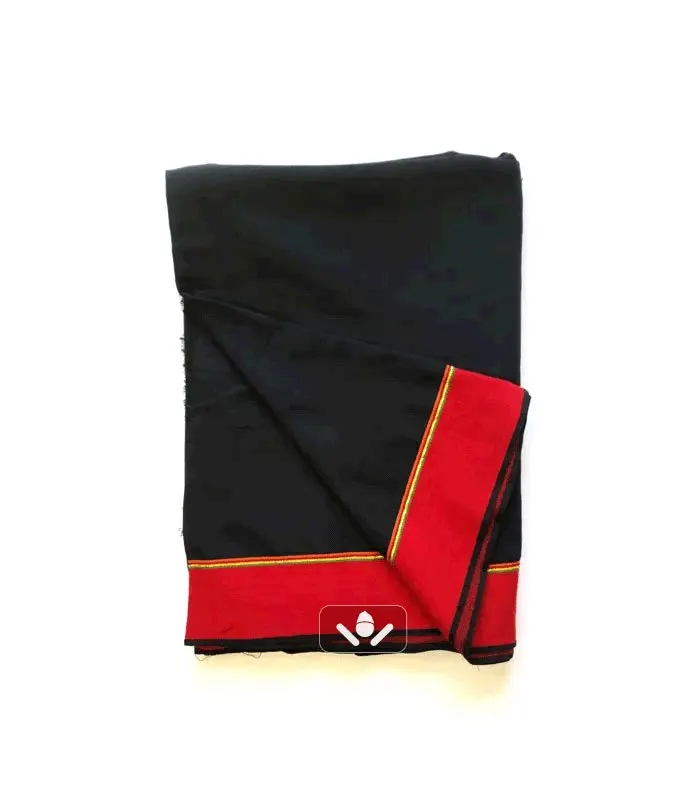
Haku Patasi is the most iconic traditional dress of Newari women.
The name comes from Nepal Bhasa:
- Haku = Black
- Patasi = Saree
Features of Haku Patasi
- Black saree with red borders
- Sometimes available in green or orange borders
- Traditionally made from cotton or wool-cotton fabric
- Modern versions available in chiffon and georgette
- Draped shorter than Indian sarees, often near knee length
Traditionally Paired With
- Red cholo (blouse)
- White or off-white patuki
- Matching shawl or khasto
- Traditional Newari jewelry
Perfect For
- Festivals and jatras
- Weddings
- Cultural programs
- Traditional ceremonies
- Heritage photography
- Family occasions
The Haku Patasi remains one of the strongest visual symbols of Newari civilization and Nepali heritage.
2. Cholo (Blouse)
Cholo is the fitted blouse worn beneath the Haku Patasi.
Traditional materials include:
- Cotton
- Wool-cotton blend
- Dhaka fabric
Most cholos are red or maroon to complement the red border of the saree.
Modern tailoring offers improved comfort while preserving the traditional silhouette.
3. Patuki (Waist Wrap)
Patuki is a long cloth wrapped around the waist.
Purpose of Patuki
- Secures the saree
- Adds structure to the outfit
- Represents ritual purity
- Enhances the traditional appearance
Traditionally, Patuki is white or off-white and wrapped multiple times around the waist.
4. Shawl / Khasto
Khasto is worn diagonally over the shoulder.
It adds:
- Elegance
- Warmth
- Modesty
- Ceremonial beauty
Special occasion shawls may feature embroidery or silk fabric.
Traditional Newari Jewelry for Women
Traditional Newari jewelry is handcrafted and culturally symbolic. Many pieces are heirlooms passed down through generations.
Popular Newari Ornaments
Head Jewelry
- Lunswan
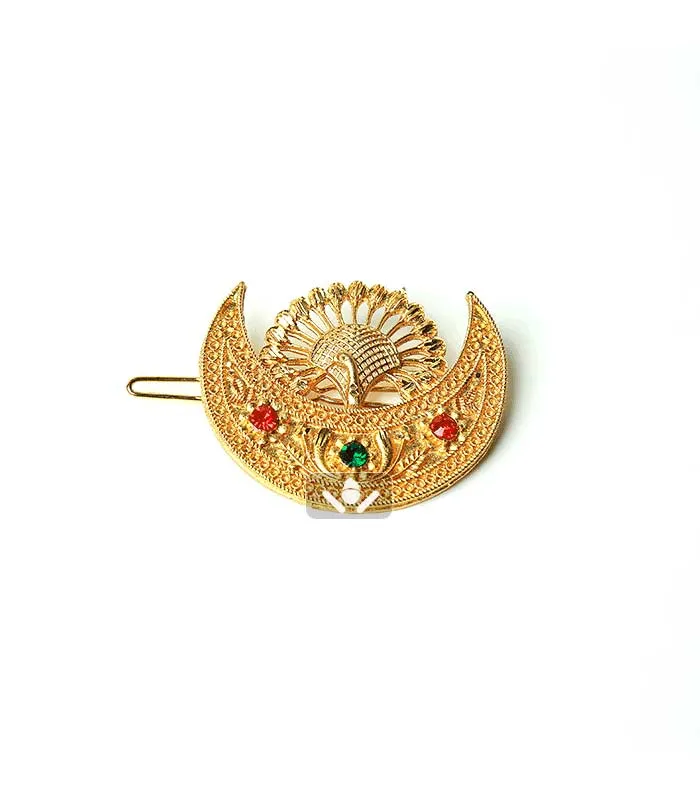
- Chandrama Pin
- Nyapu Sikha
- Shirbandi
- Sachika
Earrings
- Makasi
- Tuki
- Ghau
- Kala Earrings
Rings
- Pyankha Angu
- Asharfi Angu
- Hina Angu
Necklaces
- Tayo
- Tikma
- Jantar Mala
- Bhimpu Ma
- Jyapu Sikha
Anklets & Footwear
- Kalli
- Sinhakhwa Kalli
- Taha Kalli
- Jangi Selaya Kalli
Traditional ornaments are commonly made from:
- Gold
- Silver
- Coral
- Beads
- Filigree metalwork
These jewelry pieces symbolize prosperity, femininity, marriage, spirituality, and family lineage.
Traditional Newari Dress for Men
1. Tapalan
Tapalan is the traditional upper garment worn by Newar men.
Features
- Long knee-length coat or shirt
- Mandarin-style collar
- Traditional buttons
- Comfortable and elegant fit
Traditionally worn during:
- Mha Puja
- Weddings
- Religious ceremonies
- Jatras
- Cultural programs
2. Suruwal
Suruwal are fitted trousers worn with Tapalan.
They are:
- Comfortable
- Functional
- Traditional
- Suitable for rituals and festivals
3. Patuka & Khasto
Patuka
A cloth wrapped around the waist for support and traditional appearance.
Khasto
A shawl is draped over the shoulder during ceremonies and formal occasions.
These accessories complete the masculine Newari attire.
4. Bhadgaule Topi / Dhaka Topi
Bhadgaule Topi is the iconic black cap associated with the Newar community, especially Bhaktapur.
Dhaka Topi is also commonly worn during ceremonies and formal events.
Both symbolize dignity, heritage, and cultural pride.
Symbolism Behind the Newari Dress
Newari dress carries deep symbolic meaning.
| Element | Symbolism |
|---|---|
| Black | Power, protection, fertile earth |
| Red Border | Fertility, divine feminine energy |
| Gold Embroidery | Prosperity and status |
| Lotus Motif | Purity and spiritual awakening |
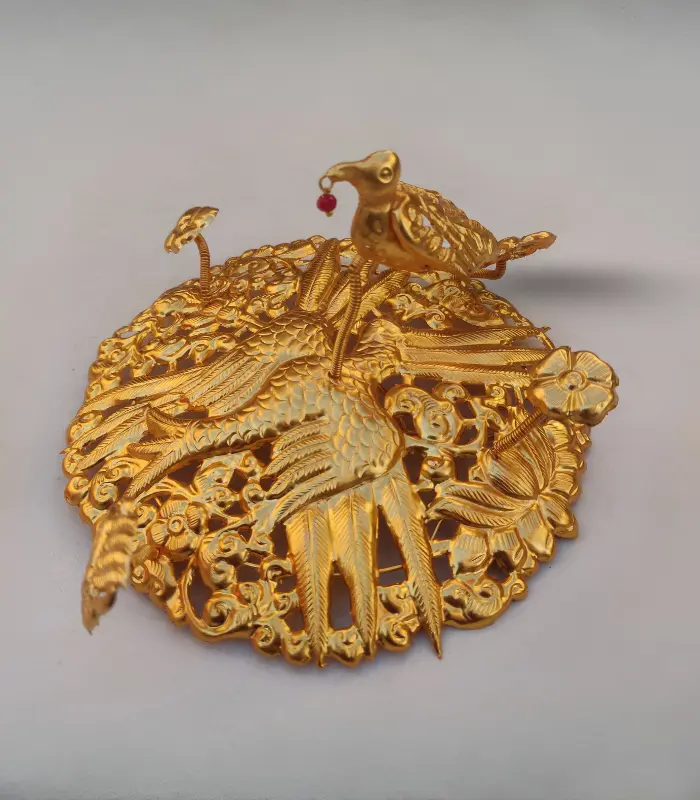
| Peacock Designs | Grace and beauty |
| Natural Dyes | Connection to nature |
The black-and-red combination is especially significant in both Hindu and Buddhist traditions of the Kathmandu Valley.
Newari Dress in Modern Fashion
Today, traditional Newari dress continues to evolve while preserving its cultural roots.
Modern adaptations include:
- Lightweight chiffon Haku Patasi
- Designer blouses
- Fusion fashion inspired by Newari motifs
- Contemporary tailoring
- Cultural photoshoot styling
The Haku Patasi has even appeared in international fashion showcases and heritage-inspired runway collections.
Despite modernization, traditional craftsmanship and symbolism remain central to authentic Newari attire.
Challenges in Preserving Newari Dress
Like many traditional crafts, Newari clothing heritage faces challenges:
- Decline of home weaving traditions
- Increasing machine-made production
- Loss of natural dyeing techniques
- Younger generations are shifting toward Western fashion
- Reduced the number of traditional artisans
However, cultural organizations, designers, and heritage-focused brands continue working to preserve and promote authentic Newari craftsmanship.
By choosing traditional attire thoughtfully, people help support Nepali artisans and cultural heritage.
Why Buy a Newari Dress from Swodeshi?
At Swodeshi, we focus on authenticity, quality, and cultural preservation.
What You Get
- Carefully selected traditional designs
- Authentic Haku Patasi sarees
- Traditional men’s Tapalan Suruwal sets
- Matching accessories and jewelry
- Multiple size options
- Nationwide delivery in Nepal
- International shipping available
- Support for Nepali artisans and heritage craftsmanship
Whether you need attire for a festival, wedding, cultural event, or photoshoot, we help you wear Newari heritage with pride.
Frequently Asked Questions (FAQ)
What is the traditional dress of the Newar community?
Newari women traditionally wear Haku Patasi, while men wear Tapalan Suruwal with Patuka, Khasto, and Bhadgaule Topi.
What does “Haku” mean?
In Nepal Bhasa, “Haku” means “black.”
What is a Newari saree called?
The traditional Newari saree is called Haku Patasi.
Can non-Newari people wear a Newari dress?
Yes. Anyone can wear Newari attire respectfully during cultural programs, festivals, ceremonies, and photoshoots.
Are Newari dresses handmade?
Some garments and jewelry are handmade, while others are tailored using modern production methods. Authentic craftsmanship remains highly valued.
Does Swodeshi ship internationally?
Yes. Swodeshi delivers across Nepal and worldwide.
How should I care for Newari dress?
For clothing:
- Hand wash in cold water
- Avoid harsh detergents
- Dry in shade
- Iron on low heat
For jewelry:
- Store in a dry pouch
- Avoid moisture and perfumes
- Wipe gently after use
Final Thoughts
Newari Dress is more than traditional clothing it is a living cultural heritage of Nepal.
From the iconic Haku Patasi worn during vibrant jatras to the dignified Tapalan Suruwal seen in ceremonies and celebrations, every piece reflects centuries of artistry, symbolism, and identity.
Whether worn for festivals, weddings, rituals, or cultural pride, Newari dress continues to connect generations through tradition, craftsmanship, and community spirit.
Explore authentic Newari dress collections at Swodeshi and celebrate the timeless beauty of Newari culture.
