Silam Sakma Price in Nepal

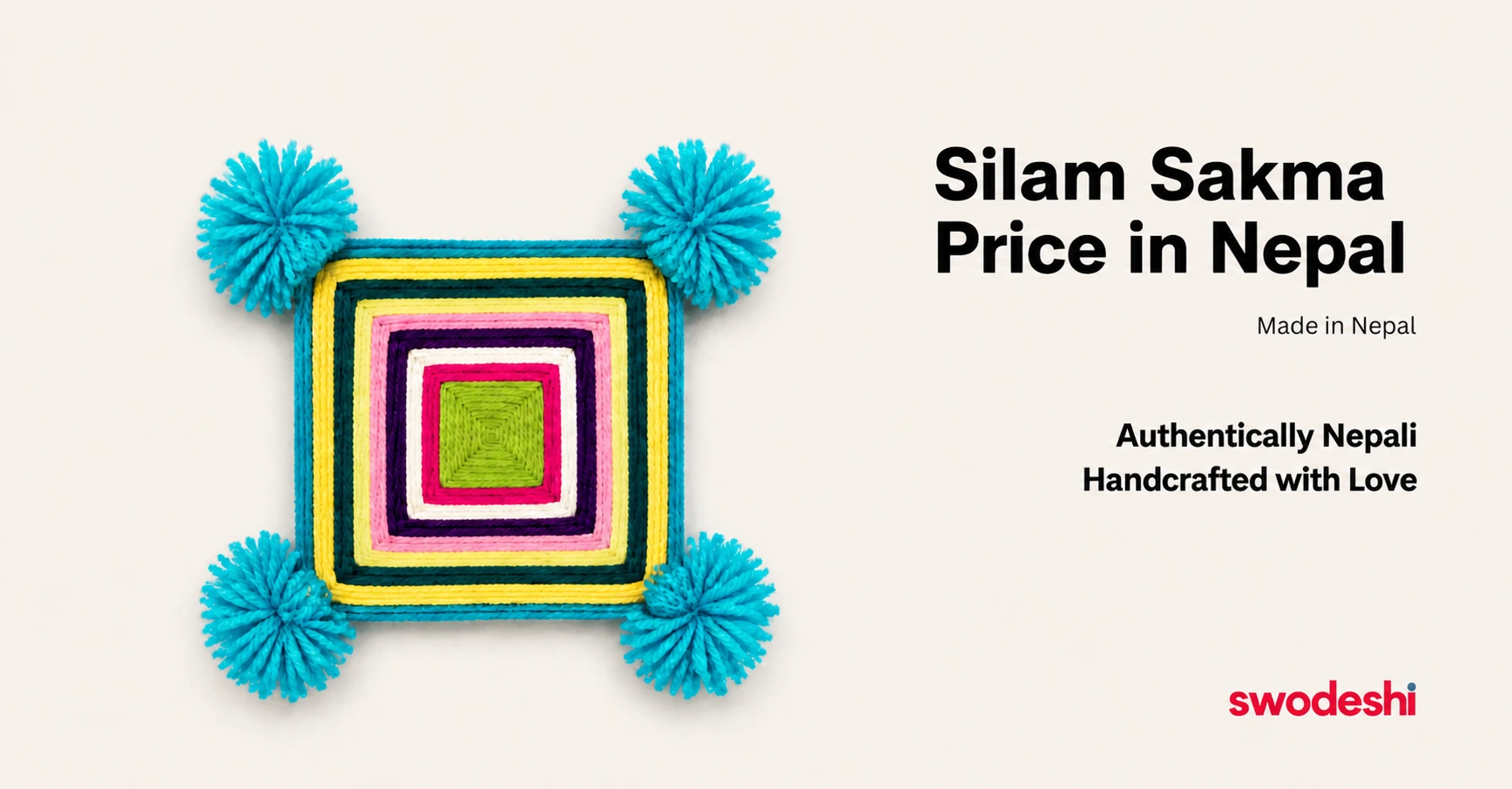
Silam Sakma Price in Nepal (2026 Updated Guide)
Table of Contents
ToggleIf you’ve been searching for the Silam Sakma price in Nepal, you’re in the right place. This 2026 guide covers everything from what Silam Sakma actually is, its deep cultural roots, where to buy the original piece, how much it costs, and how to spot a fake. Whether you’re a member of the Limbu (Yakthung) community, a cultural enthusiast, or a collector of Nepali heritage items, this guide gives you the real answers.
What is Silam Sakma?
Silam Sakma is a sacred cultural emblem, protective charm, and identity symbol of the Limbu (Yakthung) community of Nepal, one of the indigenous Kirat peoples of the eastern Himalayan region. It is traditionally crafted from metal (silver or silver-plated material) and shaped into a distinct geometric or symbolic form that carries centuries of spiritual meaning.
Originally worn by Limbu men and women during religious ceremonies, weddings, community rituals, and festivals, the Silam Sakma has evolved over time into a widely recognised cultural badge. Today, it is worn as jewellery, displayed on houses, mounted on attire, and used in community gatherings to proudly assert Limbu identity.
Its origin lies in the Mundhum, the oral scripture and sacred text of the Limbu people, where it is referenced as a symbol of protection, community belonging, and spiritual guardianship. Historically, it was used to ward off evil spirits and prevent misfortune from entering the home or the individual.
In March 2026, when Rastriya Swatantra Party leader Balendra Shah wore a Silam Sakma badge at his Parliamentary oath-taking ceremony at Singha Durbar, it caught national attention and sparked widespread curiosity about this powerful emblem. The gesture was seen as a tribute to the Kirat indigenous people and their cultural heritage.
Meaning of Silam Sakma (Si + Lam + Sakma)
The name Silam Sakma is derived from three words in the Limbu (Yakthung) language:
- Si = Death
- Lam = Path / Way
- Sakma = Stopper / Blocker
Together, Silam Sakma literally translates to “the one who stops the path of death.”
It is a sacred cultural symbol, emblem, and protective charm of the Limbu (Yakthung) community, signifying “stopping the path of death.” It acts as a protective shield against evil spirits and is often displayed on houses, worn during ceremonies, or used to identify Limbu identity.
In the Limbu worldview rooted in Mundhum philosophy, death is not merely a biological end but a spiritual journey. The Silam Sakma is believed to block the entry of destructive forces — evil spirits, ill omens, and premature death from reaching the wearer or their household. It is not merely a decorative piece. It is a spiritual armour passed down through generations.
Silam Sakma Price in Nepal (Latest Update)
As of April 2026, the price of Silam Sakma in Nepal varies depending on the material, size, craftsmanship, finish (plain metal, silver-plated, or gold), and the seller. Here is a clear and honest breakdown.
Current Price Range:
- Small badge / brooch size (2–3 inch): Rs. 150 – Rs. 500
- Medium size / wearable jewellery: Rs. 500 – Rs. 2,000
- Large / premium silver-plated piece: Rs. 2,000 – Rs. 8,000
- 24-carat gold Silam Sakma (e.g., Baby Chandraa Haar style): Rs. 8,500 and above (luxury tax applicable)
- International pricing (USD): approximately USD $1.12 – USD $75+
On Swodeshi.com, the standard Silam Sakma badge (2.5 inch, handcrafted, Made in Nepal) is listed at USD $1.12, which is approximately Rs. 150 making it one of the most affordable and authentic sources available online.
Factors Affecting Price
Several factors determine how much you’ll pay for a Silam Sakma in Nepal:
Material: Silver-plated pieces cost more than basic metal alloy versions. Pure silver or gold variants are significantly more expensive.
Craftsmanship: Handmade pieces by skilled Limbu artisans command a premium over machine-produced replicas.
Size: Larger pieces with more intricate detailing cost proportionally more.
Seller margin: Branded or retail sellers in Kathmandu charge more than direct artisan sources or trusted online platforms like Swodeshi.com.
Occasion: Custom-made ceremonial pieces for weddings or funerary rites tend to be more costly than everyday wearable badges.
Authenticity: Original, ethically sourced pieces from communities in Taplejung, Ilam, Dhankuta, and Panchthar are priced higher and justifiably so than mass-produced knock-offs.
Price Based on Size/Quantity
| Size / Type | Approx. Price (NPR) | Approx. Price (USD) |
| Small badge (2–2.5 inch) | Rs. 150 – Rs. 500 | USD $1.12 – $4 |
| Medium wearable piece | Rs. 500 – Rs. 2,000 | USD $4 – $15 |
| Large silver-plated | Rs. 2,000 – Rs. 8,000 | USD $15 – $60 |
| Gold / premium | Rs. 8,500+ | USD $63+ |
| Bulk / wholesale (10+ pcs) | Rs. 100 – Rs. 400 per piece | USD $0.75 – $3 |
Price Comparison Table in Nepal
| Seller | Price (NPR approx.) | Size | Availability |
| Swodeshi.com | Rs. 150 (USD $1.12) | 2.5-inch badge | In Stock, Online |
| Daraz Nepal | Rs. 200 – Rs. 1,500 | Various | Available Online |
| Upaharbazar.com | Rs. 200 – Rs. 800 | Small–Medium | Available Online |
| Local Kathmandu shops | Rs. 300 – Rs. 3,000 | Various | In-person |
| Dharan / Ilam market | Rs. 150 – Rs. 5,000 | All sizes | In-person |
Where to Buy Silam Sakma in Nepal
Online Stores
Swodeshi.com is the most recommended online destination for buying an authentic, handcrafted Silam Sakma in Nepal. The platform focuses exclusively on genuine Made-in-Nepal products, ethically sourced from local artisans. The Silam Sakma badge on Swodeshi is:
- Handmade in Nepal
- Crafted with high-quality metal
- Lightweight and durable
- Shipped across Nepal and internationally (7–15 days for international delivery)
- Priced fairly at USD $1.12 (~Rs. 150) for the standard 2.5-inch badge
You can also find the Pechuri, Dhajura, Silam Sakma Set on Swodeshi.com for those who want a complete traditional Limbu jewellery set.
Daraz Nepal lists multiple sellers offering Silam Sakma in both silver and silver-plated variants. Prices vary widely, so check seller ratings and customer reviews before purchasing. Use search terms like “silam sakma silver” or “silam sakma badge” on the platform.
Upaharbazar.com is another Nepali ecommerce platform that stocks Silam Sakma items. Their inventory tends to be smaller, but they carry basic to mid-range options.
TikTok and Instagram shops in Nepal have become popular for handmade and custom Silam Sakma pieces. While many sellers offer beautiful products, always verify the seller’s credibility, ask for product photos, and confirm return/refund policies before ordering.
Offline Stores
For those who prefer buying in person, here are the best locations in Nepal:
Dharan (Sunsari District): Dharan is home to one of Nepal’s largest Limbu populations and has the most abundant selection of authentic Silam Sakma pieces. Hanuman Chowk area and local jewellery shops carry traditional pieces at reasonable prices.
Ilam and Taplejung: These eastern hill districts are the heartland of the Limbu community. Artisans here craft Silam Sakma by hand using traditional techniques. Buying directly from artisans here is often the most authentic and affordable option.
Kathmandu — Indrachowk and Asan: Traditional jewellery shops in these bazaars stock various ethnic ornaments including Silam Sakma. Prices here are slightly higher due to retail overhead.
Birtamode and Biratnagar (Jhapa/Morang): These eastern market towns have local shops serving the Rai-Limbu population, with good variety and fair pricing.
Silam Sakma Benefits and Uses
Main Benefits
The Silam Sakma is valued for both its spiritual and cultural significance:
Spiritual protection: According to Limbu belief rooted in Mundhum, the Silam Sakma acts as a barrier between the wearer and malevolent spiritual forces. It is believed to block the path of evil and death.
Cultural identity: Wearing or displaying a Silam Sakma is an assertion of Limbu heritage and ethnic pride. In a multicultural country like Nepal, it serves as a visible marker of indigenous identity.
Auspicious significance: Beyond protection, it is considered a symbol of good fortune and positive omens. It is traditionally displayed at the entrance of Limbu homes to protect the household.
Community belonging: In festivals, gatherings, and public ceremonies, the Silam Sakma connects wearers to their ancestral community and shared Mundhum values.
Who Should Use / Wear It
- Members of the Limbu (Yakthung) and Rai (Kirat) communities as a heritage symbol
- Individuals participating in Limbu cultural events, Sakela festival, Chasok Tangnam, or traditional ceremonies
- Collectors and enthusiasts of Nepali indigenous jewellery and artefacts
- Those seeking a meaningful cultural gift representing Nepal’s ethnic diversity
- Researchers and students of Kirat history and anthropology
How to Apply/Use
As a badge: The small Silam Sakma badge (2–3 inch) can be pinned to coat collars, lapels, shawls, or attire using the attached pin. This is the most common everyday use.
As jewellery: Larger versions are worn as pendants, necklaces, or chest ornaments during ceremonies and festivals.
As a house emblem, Traditional Silam Sakma are mounted at the entry points of Limbu homes, either above the door or at the gate to invoke protection for the entire household.
During rituals: Ceremonial Silam Sakma is used by Phedangma (Limbu priest/shaman) during funerary rites, healing ceremonies, and ancestral worship.
Cultural and Ritual Significance
The Silam Sakma holds a place in Limbu culture that goes far beyond decorative value. It is a living symbol that connects the Limbu people to their Mundhum, their sacred oral tradition and philosophical worldview.
In Limbu society, death (Si) is understood as a spiritual presence that can enter the physical world and harm the living. The Silam Sakma’s role is to act as a guardian, literally standing at the metaphorical “path of death” and refusing entry.
During funerary ceremonies (Yuma ritual), the Silam Sakma is used as part of the protective apparatus, alongside chants from the Phedangma, to ensure the deceased’s spirit transitions safely while living family members remain protected.
At Sakela and Chasok Tangnam festivals the two most important Limbu celebrations the Silam Sakma is worn prominently as a declaration of ethnic pride and community solidarity.
In the political sphere, the growing visibility of Silam Sakma in public life including Balendra Shah’s decision to wear it at Parliament in March 2026 reflects the broader movement for indigenous rights and cultural recognition in Nepal.
How to Identify Original Silam Sakma
With growing demand and growing popularity following media coverage, counterfeit and low-quality Silam Sakma pieces have entered the market. Here’s how to tell the difference.
Key Signs of an Authentic Silam Sakma
- Finish quality: Authentic pieces have clean, defined edges and consistent plating. Hand-engraved detailing is visible under close inspection.
- Design accuracy: The geometric patterns of a genuine Silam Sakma correspond to traditional Mundhum symbolism. Poorly made fakes often misrepresent or simplify these patterns.
- Seller source: Purchasing from established platforms like Swodeshi.com, which works directly with Nepali artisans and significantly reduces the risk of buying a fake.
- “Made in Nepal” marking: Authentic pieces from reputable sellers will carry this designation.
Warning Signs of Fake Items
- Extremely lightweight, plastic-like feel
- Blurry or poorly defined design, especially if it looks printed rather than engraved
- Unrealistically low price (below Rs. 100) for a “silver” piece
- Sellers with no customer reviews, no return policy, or no verifiable location
- The shape deviates significantly from the traditional Silam Sakma pattern
- Sold as a “Nepali cultural item” but listed with origin in India or China
Where It is Used
Silam Sakma is used across a range of contexts within and outside Nepal:
Eastern Nepal (Taplejung, Ilam, Dhankuta, Panchthar, Terhathum, Sankhuwasabha, Sunsari, Morang): The heartland. Nearly every Limbu household recognises and uses it.
Kathmandu and urban Nepal: Growing use among the Limbu diaspora living in Kathmandu Valley, worn as badges at offices, cultural events, and public life.
Indian states with Nepali diaspora (Darjeeling, Sikkim, Assam): Significant Limbu communities in these regions maintain the tradition.
International diaspora (UK, USA, Australia, Canada): Limbu and Rai communities abroad purchase Silam Sakma to maintain cultural connection. Swodeshi.com ships internationally (7–15 business days), making it a trusted source for diaspora buyers.
Political and public sphere: The Silam Sakma has recently appeared in Nepal’s Parliament, academic forums, and cultural media, signalling its growing role as a symbol of indigenous recognition in national discourse.
Is Silam Sakma Worth the Price?
Value for Money
Yes, and overwhelmingly so. The Silam Sakma is not a mass-produced fashion accessory. It is a piece of living cultural heritage, handcrafted by artisans who pour tradition, skill, and spiritual intention into every piece.
At Rs. 150 for a standard handmade badge from Swodeshi.com, or up to Rs. 8,500+ for a premium gold-finished piece, the price range is accessible across all budgets. For what you receive, cultural significance, spiritual symbolism, handcrafted quality, and a direct connection to Nepal’s indigenous heritage, the value is exceptional at every price point.
User Perspective
Community members who wear Silam Sakma describe it as more than jewellery. It is an identity a visible statement of who they are, where they come from, and what they believe in.
For non-Limbu buyers, it represents an ethical, meaningful, and beautiful piece of Nepali cultural heritage that supports local artisans and preserves a tradition that might otherwise be lost to commercialisation. Buying from a trusted source like Swodeshi.com ensures that your purchase directly benefits the communities whose culture produced it.
FAQs About Silam Sakma in Nepal
What is the price of Silam Sakma in Nepal?
The price of Silam Sakma in Nepal ranges from approximately Rs. 150 for a standard handmade badge to Rs. 8,500+ for premium gold versions. The most accessible authentic option is on Swodeshi.com at USD $1.12 (~Rs. 150) for a 2.5-inch badge.
Where can I buy original Silam Sakma?
The most reliable places to buy original Silam Sakma in Nepal are: Swodeshi.com (online, ships internationally), Daraz Nepal (check seller ratings), local jewellery markets in Dharan, Ilam, or Taplejung, and traditional craft shops in Kathmandu’s Indrachowk area.
Is it safe to use/wear?
Yes. Silam Sakma is a cultural and spiritual emblem made from metal. It is safe to wear as a badge or ornament. There are no health concerns associated with it. Choose pieces made from high-quality silver-plated or sterling silver material if you have metal sensitivities.
Can non-Limbu people wear or use Silam Sakma?
While the Silam Sakma is sacred to the Limbu community, non-Limbu individuals who wear it respectfully as a gesture of solidarity or cultural appreciation — are generally welcomed, especially in contexts where its meaning is understood and respected. Avoid wearing it in purely decorative or trivializing contexts.
What is the difference between Silam Sakma and Silam Sikma?
“Silam Sikma” and “Silam Sakma” are variant spellings/pronunciations of the same cultural item, often used interchangeably. “Sakma” is the more commonly used spelling in Nepali and English media.
Does Swodeshi.com ship Silam Sakma internationally?
Yes. Swodeshi.com ships internationally. We accept international payments via Visa, Mastercard, and American Express.
Final Thoughts
The Silam Sakma is one of Nepal’s most meaningful and underappreciated cultural treasures. It carries within its compact form an entire worldview, a Limbu philosophy of life, death, protection, and identity rooted in thousands of years of Mundhum tradition.
In 2026, with growing awareness of indigenous cultures in Nepal, the Silam Sakma is having a cultural moment. From Parliament halls in Kathmandu to Limbu diaspora communities in London and Toronto, this small but powerful symbol is being reclaimed, celebrated, and worn with pride.
If you’re looking to buy one, Swodeshi.com is the most trustworthy, affordable, and ethically responsible place to do so. At just Rs. 150 for an authentic, handmade, Made-in-Nepal piece, there is no better way to own a genuine piece of Nepali indigenous heritage while directly supporting the artisans who keep this tradition alive.
Buy original. Buy Nepali. Buy with purpose.
How useful was this post?
Click on a star to rate it!
Average rating 0 / 5. Vote count: 0
No votes so far! Be the first to rate this post.
Recent Posts


Featured Products
-
 Ashtamangal Puja Thali
NPR 690
Ashtamangal Puja Thali
NPR 690
-
 Ashtamangal mandap
NPR 1,790
Ashtamangal mandap
NPR 1,790
-
 Ganesh Sukunda - Traditional Oil Lamp 7"
NPR 4,600
Ganesh Sukunda - Traditional Oil Lamp 7"
NPR 4,600
-
 Gold-Plated Aparmita Statue
NPR 55,000
Gold-Plated Aparmita Statue
NPR 55,000
-
 Gold Plated Namgyal Statue
NPR 33,600
Gold Plated Namgyal Statue
NPR 33,600
-
 Gold Plated Sahasar Bhuj Lokeshwor Statue
NPR 69,000
Gold Plated Sahasar Bhuj Lokeshwor Statue
NPR 69,000